

5 Natural Ways to Treat Hyperpigmentation Without Harsh Chemicals

5 Best Natural Ways to Treat Hyperpigmentation for Glowing Skin
Natural ways to treat hyperpigmentation are becoming the preferred choice for those looking to avoid the irritation caused by aggressive synthetic lighteners. Dealing with dark spots, acne scars, or melasma can be frustrating, especially when many over-the-counter treatments contain harsh chemicals that leave your skin feeling sensitized.
In the Kenyan climate, where sun exposure is a daily factor, finding effective natural ways to treat hyperpigmentation requires a balance of protection and gentle correction. Fortunately, nature provides potent alternatives that can brighten your complexion without the side effects of hydroquinone or aggressive bleaches.
Here are five science-backed, natural ways to treat hyperpigmentation to even out your skin tone safely.
1. Brighten with Vitamin C and Aloe Vera
When looking for natural ways to treat hyperpigmentation, Aloe Vera is a powerhouse. It contains aloesin, a natural compound that helps inhibit the overproduction of melanin. When paired with a natural source of Vitamin C, it helps stabilize the skin’s pigment-producing cells for a brighter look.
- How to use: Apply fresh aloe vera gel mixed with two drops of Vitamin C oil to affected areas before bedtime.
2. Harness the Power of Licorice Root
Licorice root extract is a staple in organic skincare because it is one of the most effective natural ways to treat hyperpigmentation for sensitive skin. It contains glabridin, which prevents UV-induced pigmentation and offers anti-inflammatory benefits.
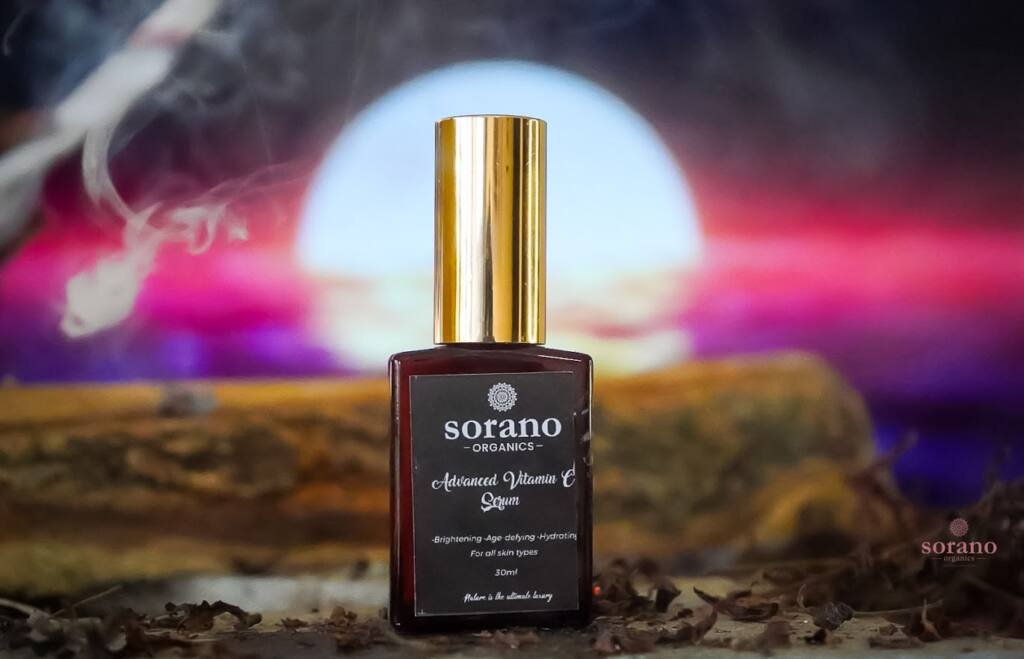
- Explore our Organic Brightening Serums infused with licorice root extract.
3. Fade Spots with Apple Cider Vinegar (ACV)
If you need affordable natural ways to treat hyperpigmentation, ACV is a great exfoliant. It contains acetic acid, which acts as a mild chemical peel to lighten dark spots.
- The Formula: Mix one part ACV with one part water. Apply to dark spots with a cotton ball and rinse after 3 minutes. Always dilute to avoid irritation.
4. Use Turmeric for Inflammatory Pigmentation
Turmeric is widely recognized among the top natural ways to treat hyperpigmentation caused by acne. Its active ingredient, curcumin, regulates melanin production and reduces the redness associated with post-inflammatory marks.
- Pro-Tip: Mix turmeric with honey to create a hydrating mask that prevents the skin from drying out.
5. Exfoliate Naturally with Papaya (Papain)
One of the fastest natural ways to treat hyperpigmentation is through enzymatic exfoliation. Papaya is rich in papain, an enzyme that dissolves dead skin cells. This speeds up cell turnover, allowing fresh, evenly pigmented skin to surface faster.
Bonus: The Role of Rosehip and Rosemary Oil
Beyond the kitchen staples, botanical oils are essential natural ways to treat hyperpigmentation. Rosehip oil is naturally high in Vitamin A (retinol) and Vitamin C, which promote skin regeneration. Adding a drop of Rosemary oil can help improve circulation, ensuring your skin gets the nutrients it needs to repair damaged, pigmented tissue.
Frequently Asked Questions (FAQ)
How long do natural ways to treat hyperpigmentation take to work?
Unlike harsh chemical bleaches, natural remedies require patience. Typically, you will see a visible difference in 4 to 8 weeks, as this matches the natural cycle of skin cell renewal.
Are these natural remedies safe for all skin types?
Most natural ways to treat hyperpigmentation are safe, but those with sensitive skin should always perform a patch test. Ingredients like ACV and Lemon should be used with caution and always diluted.
Can I treat hyperpigmentation while pregnant?
Yes! Many women experience “the mask of pregnancy” or melasma. Natural ingredients like Vitamin C and Aloe Vera are generally safer alternatives to retinoids or hydroquinone during pregnancy, though you should always consult your doctor.
The Golden Rule: Sun Protection
Even the best natural ways to treat hyperpigmentation will fail if you skip sun protection. UV rays trigger melanin production, which will darken existing spots. According to the American Academy of Dermatology, wearing a broad-spectrum SPF 30 or higher is essential for any brightening routine.

