
7 Powerful Facts About What Causes Hyperpigmentation in Dark Skin and How to Prevent It

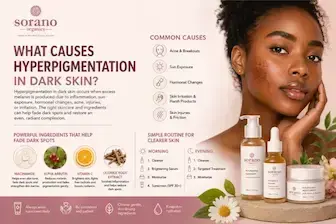
What Causes Hyperpigmentation in Dark Skin?
Hyperpigmentation in dark skin occurs when the skin produces excess melanin after inflammation, sun exposure, hormonal changes, acne, injuries, or irritation. Because darker skin tones naturally contain more melanin, they are more prone to developing stubborn dark spots after even minor skin trauma. The good news is that with the right skincare routine and targeted ingredients, hyperpigmentation can be managed and prevented.
Why Is Dark Skin More Prone to Hyperpigmentation?
One reason what causes hyperpigmentation in dark skin is such a common question is because melanin-rich skin responds differently to inflammation.
When the skin becomes irritated or injured, melanocytes (the cells responsible for producing pigment) can become overactive. As a result, they produce excess melanin, leaving behind dark patches that may last for months.
Therefore, even seemingly harmless issues such as acne breakouts, insect bites, or aggressive exfoliation can trigger visible discoloration.
What Causes Hyperpigmentation in Dark Skin? Common Triggers Explained
1. Acne and Breakouts
Acne is one of the leading causes of hyperpigmentation in dark skin.
After a pimple heals, the skin often produces extra pigment during the recovery process. This condition is known as post-inflammatory hyperpigmentation (PIH).
Consequently, many people find that the dark marks remain long after the acne itself has disappeared.
2. Sun Exposure
Although darker skin contains natural UV protection, excessive sun exposure can still worsen hyperpigmentation.
UV rays stimulate melanin production, making existing dark spots appear darker and more noticeable.
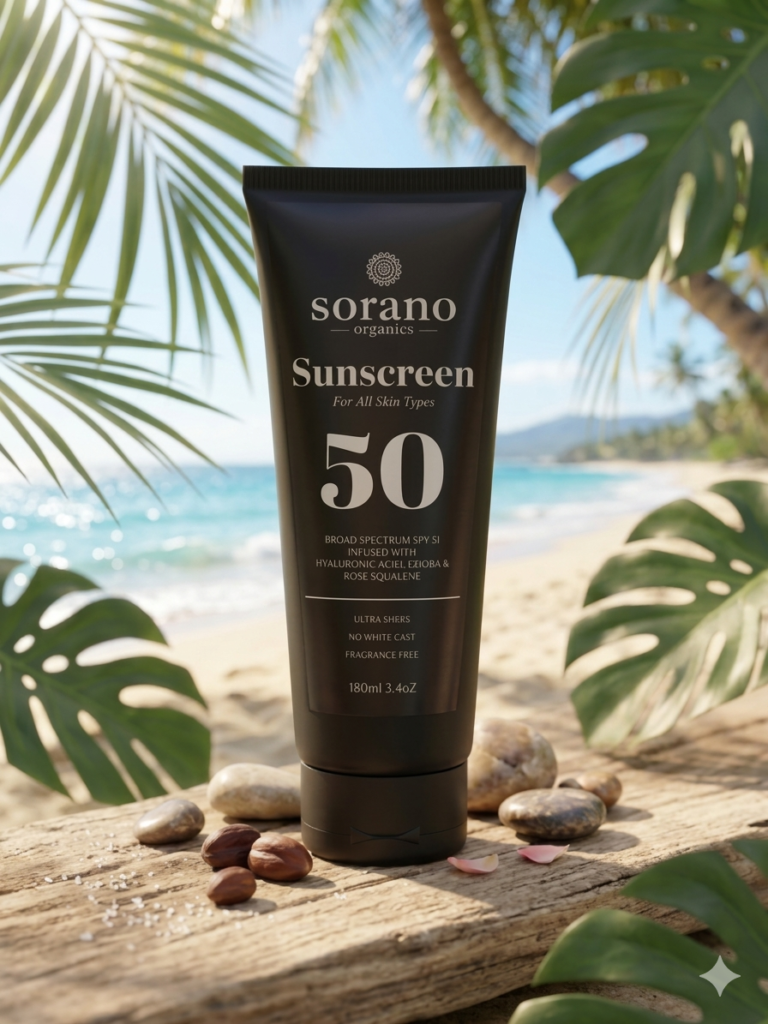
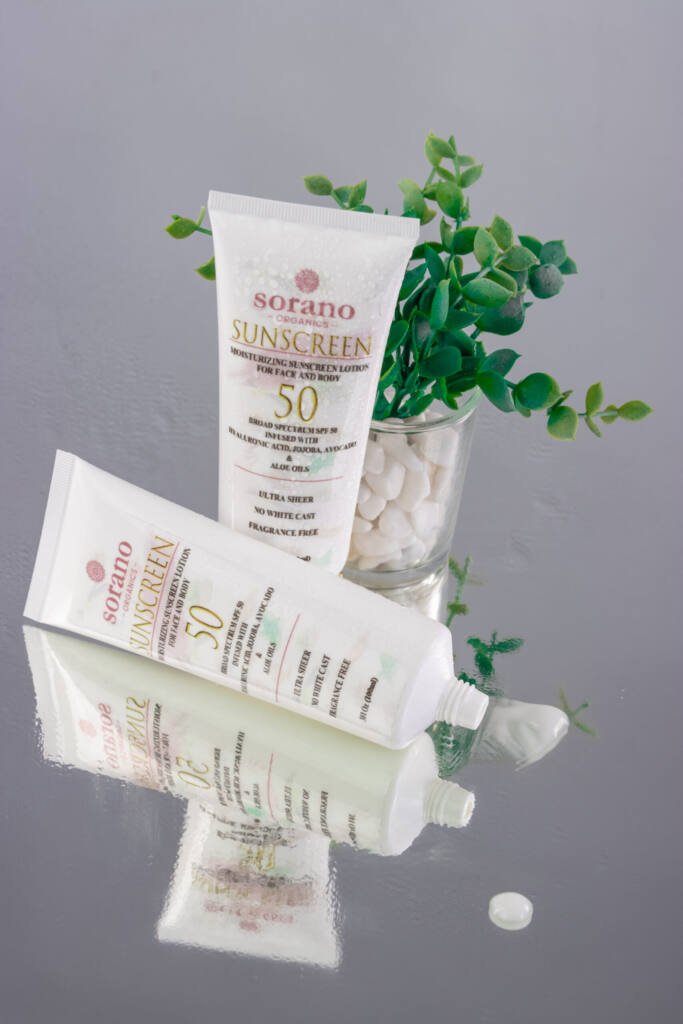
For this reason, daily sunscreen application is essential for maintaining an even skin tone.
According to the American Academy of Dermatology, sunscreen helps prevent dark spots from becoming more pronounced and supports treatment results. You can read more about their expert dermatologist advice on how to fade dark spots effectively.
3. Skin Irritation and Harsh Products
Using strong skincare products incorrectly can damage the skin barrier. Products containing high concentrations of acids, alcohol, or fragrances may trigger inflammation, which can lead to hyperpigmentation in dark skin. Melanin-rich skin is highly reactive to irritation, meaning that a compromised barrier from harsh products often results in stubborn dark spots and uneven skin tone.
To ensure you aren’t accidentally sabotaging your progress, take a look at these common skincare mistakes in Kenya and how to avoid them for healthier skin.
4. Hormonal Changes
Hormonal fluctuations can increase melanin production.
This often occurs during:
- Pregnancy
- Birth control use
- Hormonal imbalances
- Menopause
As a result, larger patches of pigmentation may develop, particularly on the cheeks and forehead.
5. Skin Injuries and Friction
Cuts, burns, scratches, insect bites, and constant rubbing can all contribute to pigmentation. Even excessive scrubbing during cleansing may trigger the skin to produce more melanin.
When looking into what causes hyperpigmentation in dark skin, it is important to realize that melanin-rich skin is naturally highly reactive to any form of trauma or irritation. Therefore, gentle skincare practices are especially important for protecting your barrier and preventing stubborn dark spots from forming in the first place.
Ingredients That Help Treat Hyperpigmentation
Understanding what causes hyperpigmentation in dark skin is only half the solution. Choosing the right ingredients is equally important. To dive deeper into how these actives work, you can explore this complete guide on what ingredients help fade dark spots.
Niacinamide
Niacinamide helps regulate pigment transfer within the skin.
Benefits include:
- Brightening dull skin
- Reducing dark spots
- Strengthening the skin barrier
- Improving overall skin tone
Alpha Arbutin
Alpha Arbutin targets excess melanin production.
It works gradually to fade discoloration while being gentle enough for sensitive skin.
Vitamin C
Vitamin C is a powerful antioxidant that helps brighten the complexion and protect against environmental damage.
Additionally, it promotes a more radiant and even skin tone.
Licorice Root Extract
Licorice root naturally contains compounds that help reduce pigmentation and calm inflammation.
Because of its soothing properties, it is suitable for most skin types.
Step-by-Step Routine for Hyperpigmentation
Morning Routine
Step 1: Cleanse Gently
Use a gentle cleanser that removes dirt without stripping natural moisture.
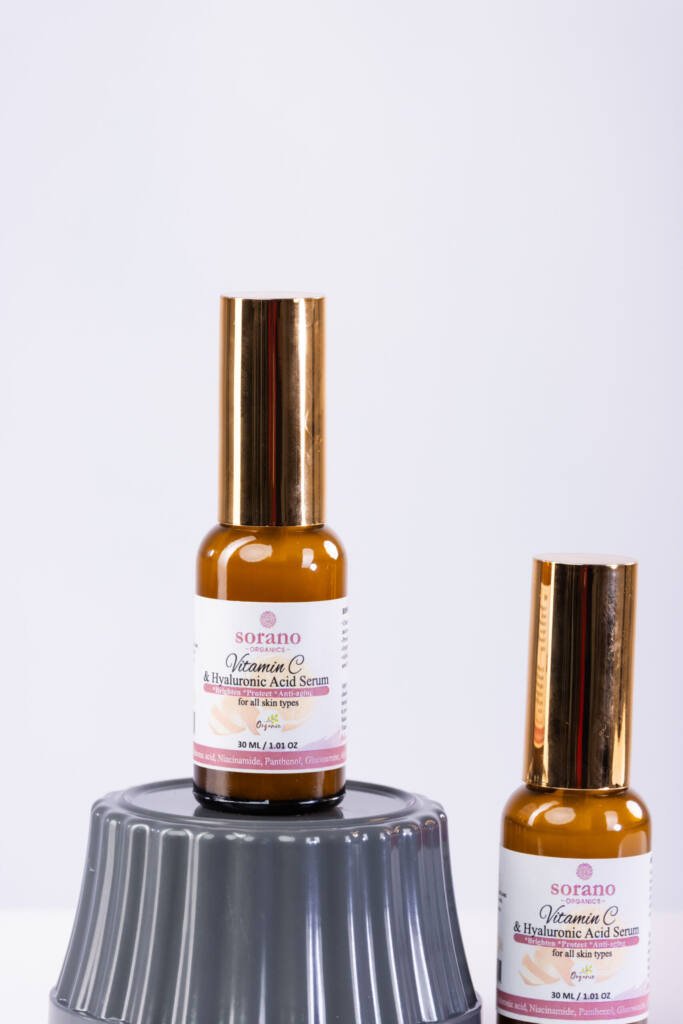
Step 2: Apply a Brightening Serum
Choose products containing niacinamide, alpha arbutin, or vitamin C.
Step 3: Moisturize
Hydrated skin heals more effectively and maintains a stronger barrier.
Step 4: Apply Sunscreen
Use SPF 30 or higher every day.
This is one of the most important steps for preventing new pigmentation.
Evening Routine
Step 1: Cleanse Thoroughly
Remove sunscreen, dirt, and impurities.
Step 2: Apply Targeted Treatment
Use ingredients that specifically address pigmentation.
Step 3: Moisturize
Support overnight skin repair with a nourishing moisturizer.
If you want to optimize your daily regimen further, check out this guide to improving your skincare routine for healthier, more radiant skin.
Recommended Sorano Organics Solutions
At Sorano Organics, skincare is designed with skin barrier health and natural radiance in mind.
If hyperpigmentation is your concern, look for products that contain:
- Niacinamide
- Botanical brightening extracts
- Antioxidants
- Hydrating ingredients
These ingredients work together to improve skin tone while maintaining healthy, balanced skin. To learn more about gentle, effective approaches, you can also explore these 5 natural ways to treat hyperpigmentation to achieve a glowing, even complexion.
FAQs About What Causes Hyperpigmentation in Dark Skin
Can hyperpigmentation disappear naturally?
Some mild cases may fade over time. However, deeper pigmentation often requires consistent skincare and sun protection.
How long does it take to fade dark spots?
Results vary depending on the cause and severity. Most people notice improvement within 8 to 12 weeks of consistent treatment.
Does sunscreen help with hyperpigmentation?
Yes. Sunscreen prevents UV exposure from worsening existing dark spots and helps treatment products work more effectively.
Which ingredient is best for hyperpigmentation?
Niacinamide, alpha arbutin, vitamin C, and licorice root extract are among the most effective ingredients for fading discoloration.
Can acne scars cause hyperpigmentation?
Yes. Post-inflammatory hyperpigmentation is one of the most common outcomes of acne in darker skin tones.
Final Thoughts on what causes hyperpigmentation in dark skin
Understanding what causes hyperpigmentation in dark skin is the first step toward achieving a clearer, more even complexion. Acne, sun exposure, hormonal fluctuations, skin irritation, and injuries can all trigger excess melanin production. Fortunately, with gentle skincare, targeted brightening ingredients, and consistent sun protection, dark spots can gradually fade.
At Sorano Organics, the focus is on supporting healthy skin barriers while addressing concerns such as hyperpigmentation naturally and effectively. Consistency, patience, and the right products are key to long-term results.

